
Few novels have shaped modern fantasy literature as profoundly as The Fellowship of the Ring, the first volume of The Lord of the Rings trilogy by J.R.R. Tolkien. Published in 1954, this groundbreaking work introduced readers to the rich and immersive world of Middle-earth, a realm filled with ancient histories, legendary heroes, mysterious creatures, and an epic struggle between good and evil.
More than seventy years after its publication, The Fellowship of the Ring remains one of the most beloved fantasy novels ever written. It has inspired countless authors, filmmakers, game designers, and readers around the world. Whether you are discovering Tolkien’s work for the first time or revisiting Middle-earth once again, this book offers an unforgettable journey that continues to captivate new generations.
In this comprehensive guide, we will explore the story, characters, themes, literary significance, and lasting impact of The Fellowship of the Ring. If you are wondering whether this legendary novel deserves a place on your reading list, the answer is almost certainly yes.
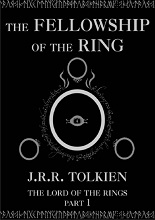
Book Information
- Title: The Fellowship of the Ring
- Author: J.R.R. Tolkien
- Series: The Lord of the Rings (Book One)
- Genre: Epic Fantasy, Adventure, High Fantasy
- Original Publication Date: July 29, 1954
- Language: English
- Setting: Middle-earth
- Preceded By: The Hobbit
- Followed By: The Two Towers
About the Author: J.R.R. Tolkien
John Ronald Reuel Tolkien was an English writer, philologist, and university professor whose influence on fantasy literature is unparalleled. Born in 1892, Tolkien spent much of his life studying languages, mythology, and medieval literature. These interests deeply influenced the creation of Middle-earth and its inhabitants.
Tolkien was a professor at Oxford University and a close friend of fellow author C.S. Lewis. His passion for language led him to invent entire linguistic systems for races such as the Elves, Dwarves, and other peoples of Middle-earth.
Before writing The Lord of the Rings, Tolkien achieved success with The Hobbit in 1937. Encouraged to write a sequel, he gradually developed a far larger and more complex story that eventually became one of the greatest literary achievements of the twentieth century.
Today, Tolkien is widely regarded as the father of modern epic fantasy.
The Story of The Fellowship of the Ring
At the heart of The Fellowship of the Ring lies a seemingly simple mission that gradually reveals itself as a struggle for the fate of the entire world.
The story begins in the peaceful land known as the Shire, home to the Hobbits. Bilbo Baggins, the hero of The Hobbit, celebrates his eleventy-first birthday and mysteriously disappears, leaving behind his magical ring to his young cousin, Frodo Baggins.
What initially appears to be an ordinary magical artifact is soon revealed to be the One Ring, an object of immense power created by the Dark Lord Sauron. The Ring grants influence and domination over others, but it also corrupts anyone who possesses it.
The wizard Gandalf discovers the Ring’s true identity and warns Frodo that Sauron is searching for it. Realizing the danger, Frodo leaves the Shire with his friends Samwise Gamgee, Meriadoc Brandybuck, and Peregrin Took.
Their journey soon becomes increasingly perilous. They encounter terrifying Black Riders, mysterious allies, ancient forests, hidden kingdoms, and deadly enemies. Eventually, representatives of the free peoples of Middle-earth gather in Rivendell, where a crucial decision is made.
Rather than using the Ring’s power, they resolve to destroy it.
A fellowship is formed consisting of:
- Frodo Baggins
- Samwise Gamgee
- Gandalf
- Aragorn
- Legolas
- Gimli
- Boromir
- Merry
- Pippin
Together they begin a dangerous quest toward Mordor, the only place where the Ring can be destroyed.
Their path leads them through snow-covered mountains, underground kingdoms, dark mines, enchanted forests, and countless challenges. By the end of the novel, the Fellowship has suffered devastating losses, friendships have been tested, and the future of Middle-earth hangs in the balance.
Main Characters
Frodo Baggins
Frodo serves as the central protagonist of the novel. Unlike traditional heroes, he possesses neither exceptional strength nor magical abilities. His courage comes from his willingness to carry an overwhelming burden despite fear and uncertainty.
Throughout the story, Frodo gradually transforms from a comfortable Hobbit into a determined Ring-bearer tasked with a responsibility that no one else can shoulder.
Samwise Gamgee
Sam is one of the most beloved characters in fantasy literature. Loyal, brave, and humble, he remains by Frodo’s side through every challenge.
His unwavering friendship demonstrates one of Tolkien’s central messages: ordinary people can achieve extraordinary things through loyalty and perseverance.
Gandalf
The wise wizard Gandalf acts as guide, protector, and mentor throughout much of the story.
His wisdom and leadership help unite the various peoples of Middle-earth against the growing threat of Sauron.
Aragorn
Initially introduced as the mysterious ranger Strider, Aragorn gradually reveals himself to be a figure of immense importance.
His journey reflects themes of destiny, leadership, and sacrifice, making him one of the trilogy’s most compelling characters.
Legolas
The Elven prince Legolas brings agility, wisdom, and exceptional skill to the Fellowship.
His friendship with Gimli also symbolizes cooperation between races that have historically been divided.
Gimli
The proud Dwarf warrior offers courage, determination, and moments of humor throughout the narrative.
His evolving friendship with Legolas becomes one of the story’s most memorable relationships.
Boromir
Boromir is perhaps the most tragic member of the Fellowship.
A brave warrior who genuinely wishes to protect his people, he struggles against the temptation of the Ring’s power, illustrating the corrupting influence that lies at the heart of Tolkien’s narrative.
Major Themes in The Fellowship of the Ring
The Corrupting Nature of Power
The One Ring symbolizes absolute power and the temptation that accompanies it.
Unlike many fantasy stories where powerful artifacts are used to defeat evil, Tolkien presents a different perspective. The Ring cannot be safely controlled. Even noble individuals risk corruption when exposed to its influence.
This theme remains remarkably relevant in discussions of politics, leadership, and human nature.
Friendship and Fellowship
One of the novel’s strongest messages is the importance of companionship.
The Fellowship represents individuals from different races, cultures, and backgrounds united by a common purpose. Their cooperation demonstrates how collective strength can overcome seemingly impossible obstacles.
Courage in Ordinary People
Tolkien repeatedly emphasizes that heroism is not limited to kings, warriors, or wizards.
The Hobbits, small and seemingly insignificant creatures, become central figures in the struggle against darkness. Their bravery shows that greatness often emerges from unexpected places.
Hope Amid Darkness
Despite its dangers and tragedies, The Fellowship of the Ring never descends into complete despair.
Characters consistently find reasons to continue fighting, even when success appears impossible. This emphasis on hope gives the novel much of its emotional power.
Sacrifice and Responsibility
Nearly every major character must make sacrifices for the greater good.
Frodo accepts a burden that isolates him from normal life, while others risk their lives to support his mission. These sacrifices underscore the cost of resisting evil.
Why The Fellowship of the Ring Is Different from Other Fantasy Novels
Many fantasy books feature magical worlds, epic battles, and heroic quests. However, Tolkien’s work stands apart for several reasons.
Unmatched World-Building
Middle-earth feels astonishingly real because Tolkien developed extensive histories, languages, cultures, myths, and genealogies.
Readers often feel as though they are exploring a genuine world with thousands of years of history behind every location.
Deep Mythological Foundations
Tolkien drew inspiration from Norse mythology, Anglo-Saxon legends, Finnish folklore, and medieval literature.
This mythological depth gives the story a sense of authenticity rarely found in fantasy fiction.
Complex Moral Questions
Rather than presenting simplistic divisions between good and evil, Tolkien explores temptation, pride, weakness, and redemption.
Characters frequently face difficult choices that reveal both their strengths and flaws.
Literary Quality
Tolkien’s prose combines poetic beauty with vivid storytelling.
His descriptions of landscapes, cultures, and historical events create an atmosphere that remains unmatched by many modern fantasy novels.
The Connection Between The Hobbit and The Fellowship of the Ring
Many readers wonder whether they should read The Hobbit before starting The Fellowship of the Ring.
The answer is yes, although it is not strictly necessary.
The Hobbit introduces Bilbo Baggins, Gandalf, and the Ring itself. Reading it first provides valuable context and makes certain moments in The Fellowship of the Ring more meaningful.
However, Tolkien designed The Fellowship of the Ring so that newcomers can still understand and enjoy the story.
The main difference lies in tone. While The Hobbit is lighter and more adventurous, The Fellowship of the Ring adopts a darker, more mature, and more epic narrative style.
The Fellowship of the Ring in Popular Culture
The influence of Tolkien’s novel extends far beyond literature.
Modern fantasy franchises such as:
- Harry Potter
- A Song of Ice and Fire
- The Wheel of Time
- The Witcher
- Dragon Age
- Dungeons & Dragons
all owe significant debts to Tolkien’s pioneering work.
The novel also gained renewed popularity through Peter Jackson’s acclaimed film adaptation released in 2001. The movie introduced millions of new fans to Middle-earth and remains one of the most celebrated fantasy films ever produced.
Despite the success of the adaptation, many readers believe the novel provides a richer and more immersive experience.
The Hobbit
The Lord of the Rings: The Two Towers
The Lord of the Rings: The Return of the King
Who Should Read The Fellowship of the Ring?
This book is ideal for:
Fantasy Enthusiasts
Anyone interested in fantasy literature should experience the novel that helped define the genre.
Readers Who Enjoy Rich World-Building
If you love detailed settings and expansive fictional histories, Middle-earth offers an unparalleled experience.
Fans of Epic Adventures
The novel delivers suspense, exploration, danger, and unforgettable journeys.
Students of Literature
Tolkien’s work remains a valuable subject for literary analysis due to its themes, symbolism, and mythological influences.
Readers Seeking Timeless Stories
The themes explored in the novel remain relevant regardless of era or culture.
Potential Challenges for New Readers
While widely celebrated, some readers may find certain aspects challenging.
Detailed Descriptions
Tolkien often spends considerable time describing landscapes, cultures, and historical backgrounds.
Slower Pacing
Compared with modern fantasy novels, the story develops gradually during its early chapters.
Large Cast of Characters
The extensive roster of characters, locations, and historical references may initially feel overwhelming.
However, many readers discover that these qualities ultimately enhance the depth and realism of Middle-earth.
دانلود نسخههای فارسی کتاب ارباب حلقهها:
ارباب حلقهها ۱
ارباب حلقهها ۲
ارباب حلقهها ۳
هابیت
ضمائم ارباب حلقهها
Why The Fellowship of the Ring Remains Relevant Today
Decades after its publication, The Fellowship of the Ring continues to resonate because it explores universal human experiences.
The struggle against corruption, the importance of friendship, the value of courage, and the persistence of hope are themes that transcend generations.
In a rapidly changing world, Tolkien’s story reminds readers that even small acts of bravery can influence the course of history.
Its enduring popularity demonstrates that great storytelling never loses its power.
Download The Lord of the Rings: The Fellowship of the Ring PDF
The Fellowship of the Ring is not merely the first volume of an epic trilogy—it is one of the greatest fantasy novels ever written.
Through unforgettable characters, breathtaking world-building, profound themes, and a timeless narrative, J.R.R. Tolkien created a masterpiece that continues to inspire readers around the globe.
Whether you are beginning your first journey through Middle-earth or revisiting it after many years, The Fellowship of the Ring offers an experience unlike any other. It is a story of friendship, sacrifice, courage, and hope that remains as powerful today as it was when it first appeared in 1954.
For anyone seeking a truly immersive literary adventure, The Fellowship of the Ring deserves a permanent place on the bookshelf.
برای دانلود این کتاب، ابتدا باید عضو سایت بشوید.
پس از عضویت، لینک دانلود این کتاب و همهی کتابهای سایت برای شما فعال میشوند.
(قبلا عضو شدهاید؟ وارد شوید)